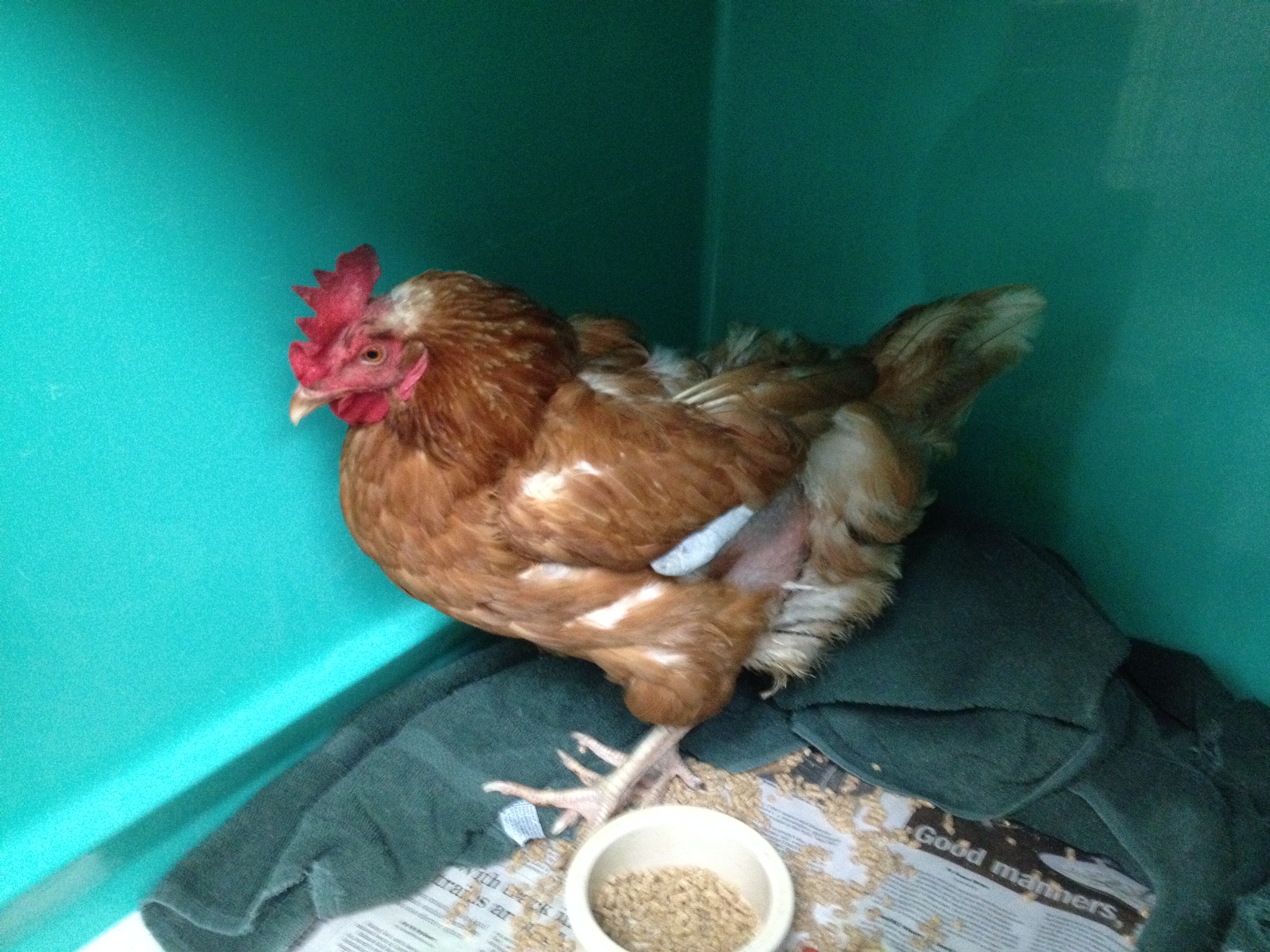
 Pet chickens are hugely popular in the Indianapolis area and elsewhere. It’s hard to resist a fluffy chick. However, the Centers for Disease Control (CDC) is seeing an unusual increase in the number of people (including children) who are becoming sick from bacteria acquired from handling pet poultry, especially chicks and ducklings.
Check out the CDC's data here.
Pet chickens are hugely popular in the Indianapolis area and elsewhere. It’s hard to resist a fluffy chick. However, the Centers for Disease Control (CDC) is seeing an unusual increase in the number of people (including children) who are becoming sick from bacteria acquired from handling pet poultry, especially chicks and ducklings.
Check out the CDC's data here.
People with impaired immune systems should probably not handle pet poultry at all. For the rest, carefully wash hands after touching, and keep a bottle of hand sanitizer near the enclosure if soap and water are not nearby. Be sure to monitor children carefully and be sure that wash and don’t eat food while handling pet poultry.
If you have any questions about pet poultry, and how to them healthy, give us a call or email.
And whatever you do, even though it’s hard, try to resist kissing your chickens!




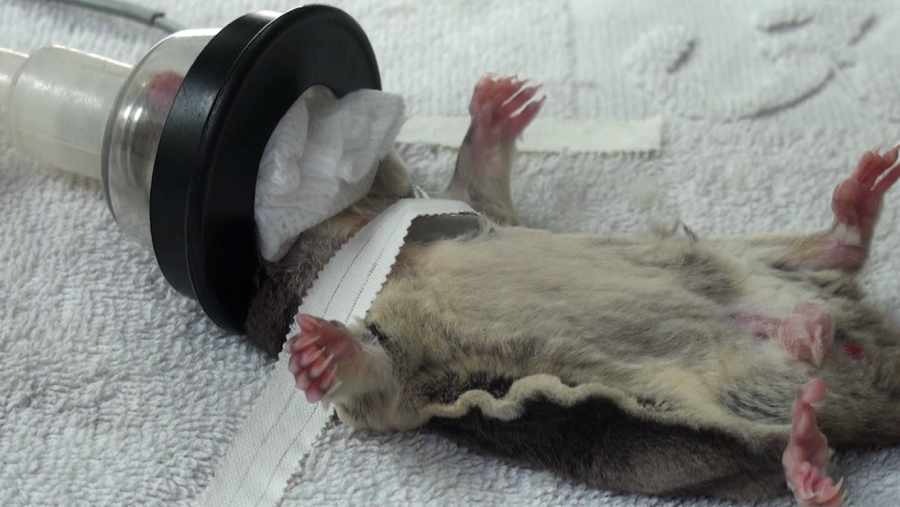


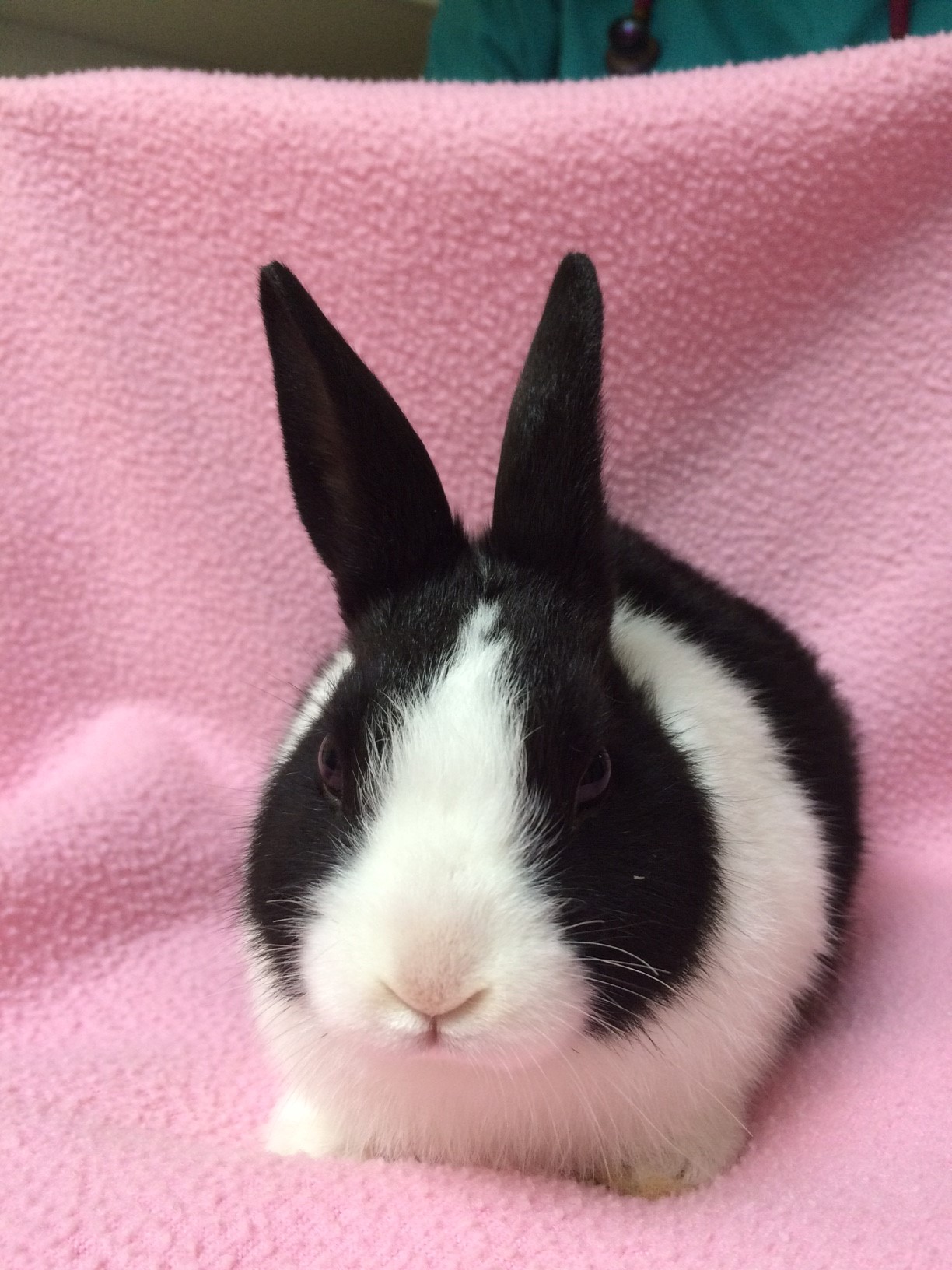



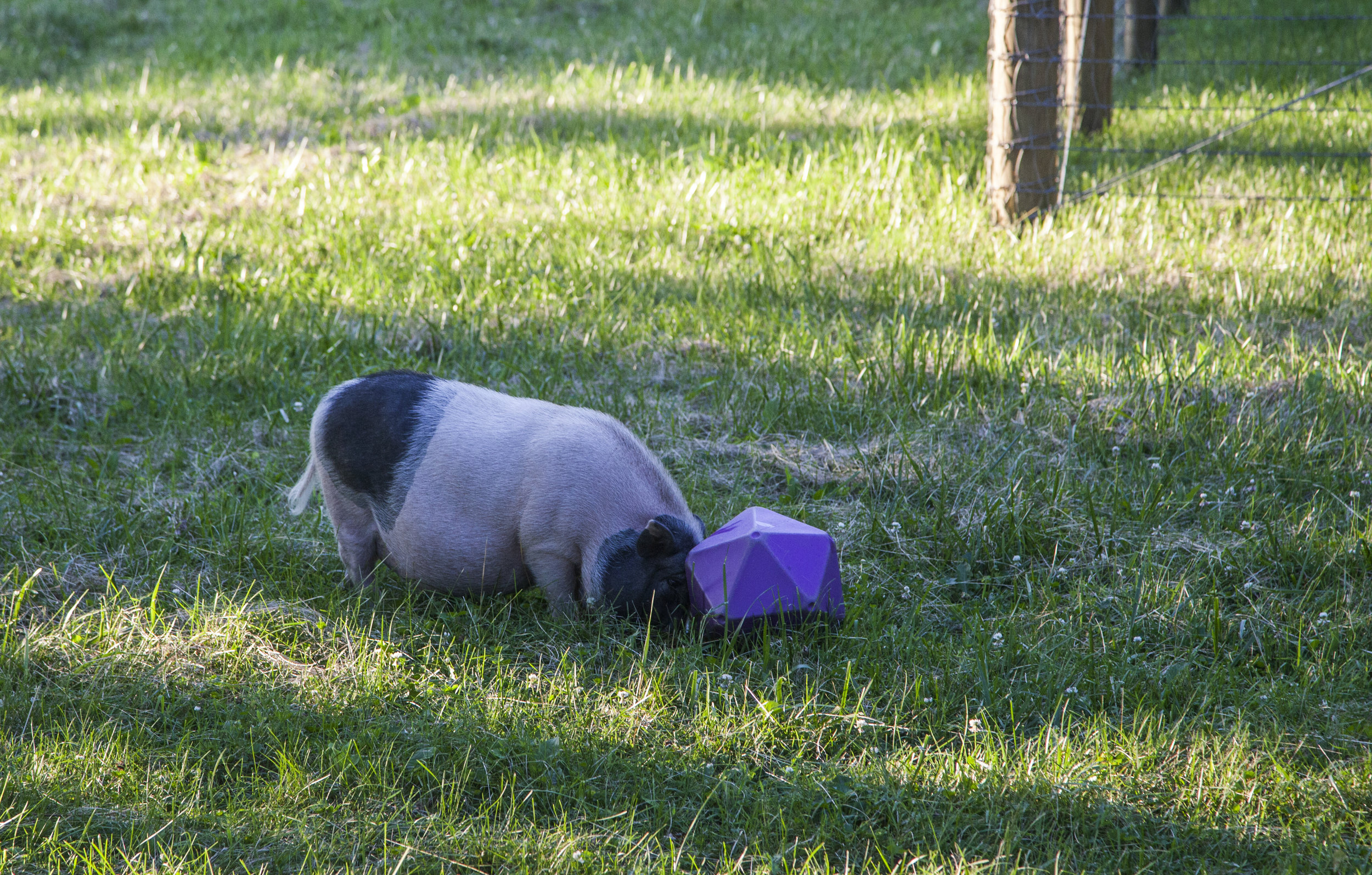


 Zoo keepers and other experts are convinced enrichment benefits nearly every captive animal, birds, exotic mammals and even reptiles. AEAC staff introduces and reinforces foraging and enrichment as part of every wellness examination.
 Come see the Midwest's only boarding facility dedicated exclusively to exotic pets like bird, exotic mammals and reptiles! We will be opening up the Inn for an inaugural Open House on



 How do you find a good qualified exotic veterinarian when an injury or illness strikes while on the road with your pet? This question comes up from time to time, and we've heard stories of our clients finding great places to care for their pets, and other stories where care couldn't be found, or wasn't ideal.
If you are planning travel, give us a call and we will make recommendations based on where you're going. We know lots of great exotic vets all over the United States and even in a lot of other countries too!
How do you find a good qualified exotic veterinarian when an injury or illness strikes while on the road with your pet? This question comes up from time to time, and we've heard stories of our clients finding great places to care for their pets, and other stories where care couldn't be found, or wasn't ideal.
If you are planning travel, give us a call and we will make recommendations based on where you're going. We know lots of great exotic vets all over the United States and even in a lot of other countries too!
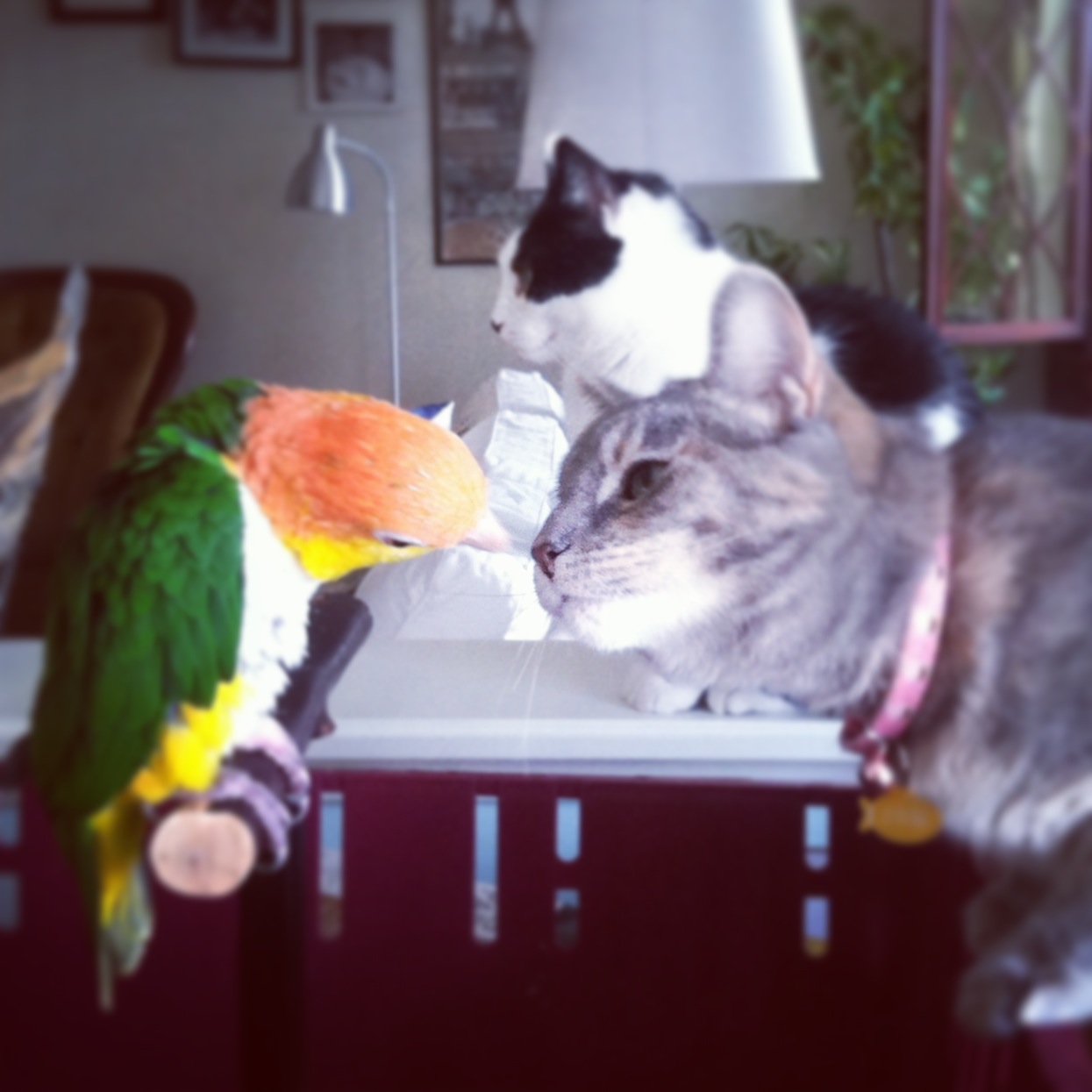 The short answer is no! We have seen a number of videos lately showing cats interacting with birds, usually in a friendly way. In some pictures and videos the bird rides on the cat's back and the two even groom each other. It's always possible prey and predator species can form a bond and exist peacefully together, but we tend to see what happens when contact is a bit more aggressive, even if unintentional. Cats naturally have bacteria in their mouths that they can spread to feet and claws when grooming. These bacteria can be particularly dangerous if they enter the body through breaks in the bird’s skin, or through what even seems to be a tiny bite or scratch.
For this reason, we recommend birds and cats look, but don’t touch! Be aware we know of several cases where cats reached through the bars of cages and grabbed birds inside!
The short answer is no! We have seen a number of videos lately showing cats interacting with birds, usually in a friendly way. In some pictures and videos the bird rides on the cat's back and the two even groom each other. It's always possible prey and predator species can form a bond and exist peacefully together, but we tend to see what happens when contact is a bit more aggressive, even if unintentional. Cats naturally have bacteria in their mouths that they can spread to feet and claws when grooming. These bacteria can be particularly dangerous if they enter the body through breaks in the bird’s skin, or through what even seems to be a tiny bite or scratch.
For this reason, we recommend birds and cats look, but don’t touch! Be aware we know of several cases where cats reached through the bars of cages and grabbed birds inside!


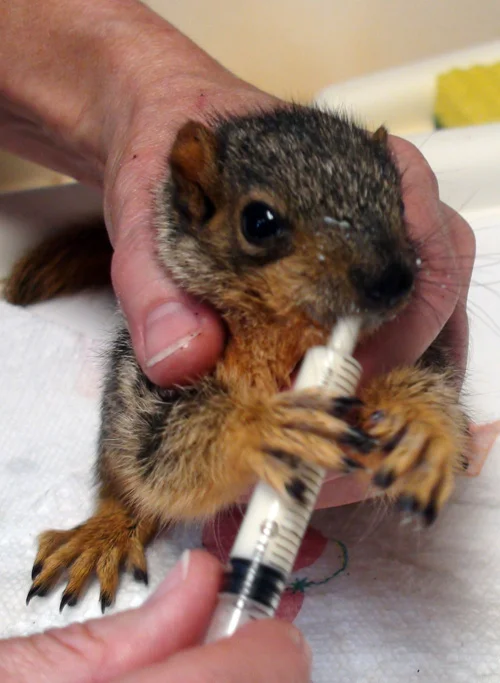
 We would like to take this time to thank a group of hard working individuals who work all year round behind the scenes: our local Marion County Animal Care Services! While we think of Animal Control’s job as handling calls related to stray or mistreated dogs and cats, Control officers are continually bringing us sick or injured wildlife reported by the public, and sometimes even pet exotics that have been turned loose or are being neglected. These guys work really hard to make sure everything possible is done for the critters in their care and definitely don't deserve the bad reputation that comes with the name "Animal Control"!
Wildlife season is upon us, and we expect to see a lot more of our friends very soon.
We would like to take this time to thank a group of hard working individuals who work all year round behind the scenes: our local Marion County Animal Care Services! While we think of Animal Control’s job as handling calls related to stray or mistreated dogs and cats, Control officers are continually bringing us sick or injured wildlife reported by the public, and sometimes even pet exotics that have been turned loose or are being neglected. These guys work really hard to make sure everything possible is done for the critters in their care and definitely don't deserve the bad reputation that comes with the name "Animal Control"!
Wildlife season is upon us, and we expect to see a lot more of our friends very soon.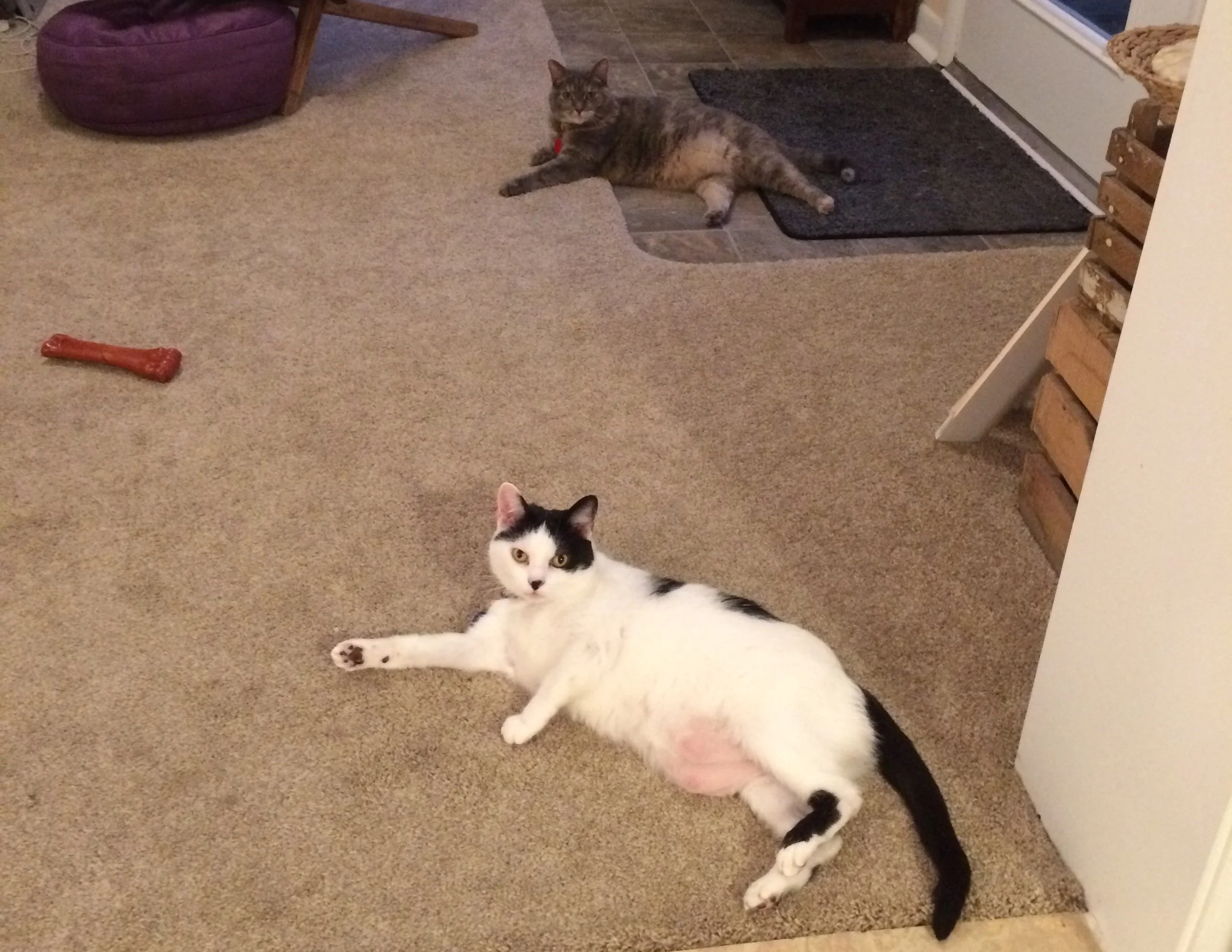
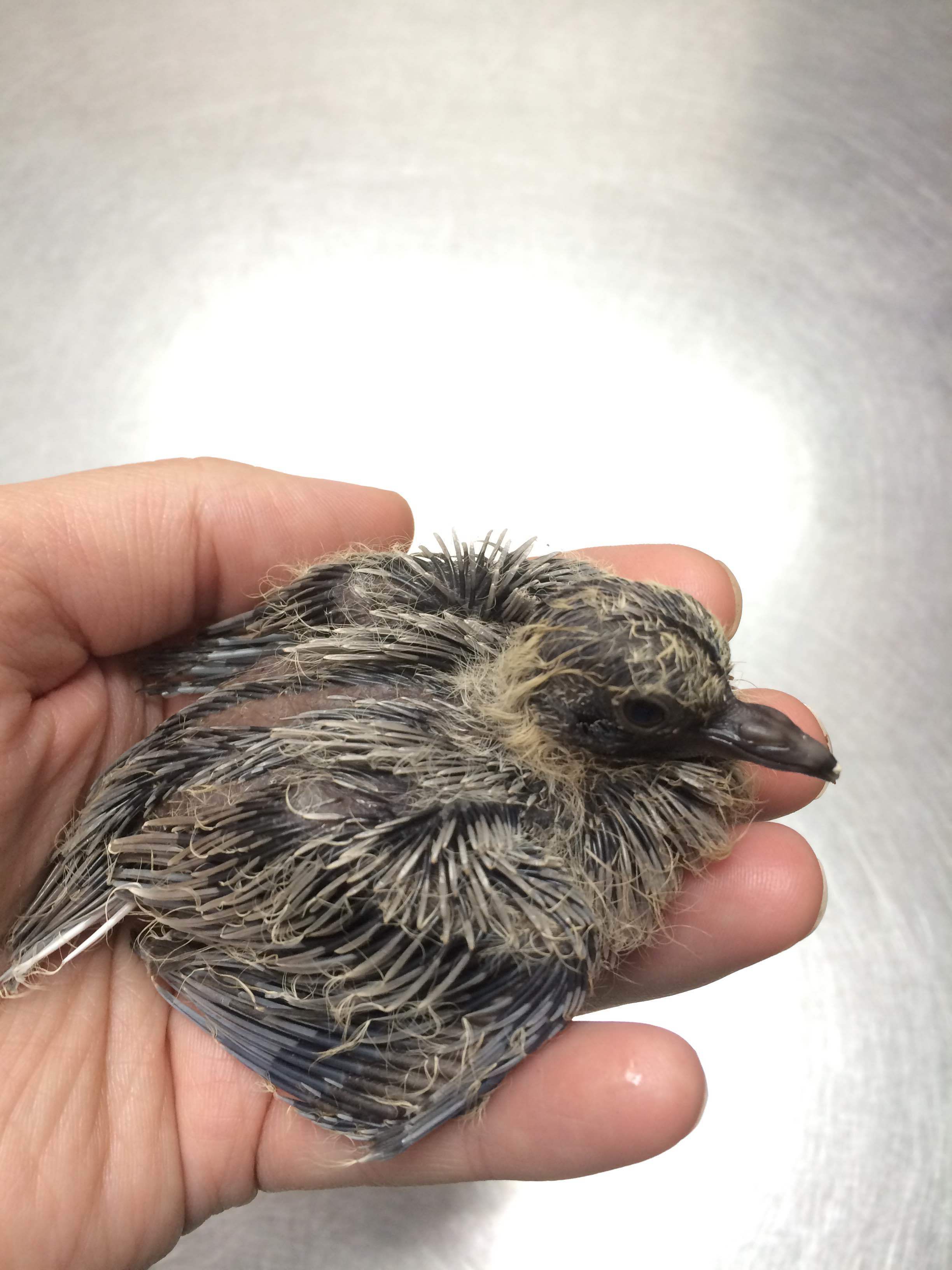 have already made a significant negative impact on native wildlife populations, in particular wild birds, some of whose numbers are declining and may be threatened eventually. Every year concerned citizens come to our door with injured birds and mammals their cats have caught outdoors, or even brought inside as "presents". Most of these do not survive.
For this reason, AEAC supports the American Veterinary Medical Association (AVMA) position on out door cats which is available here:
have already made a significant negative impact on native wildlife populations, in particular wild birds, some of whose numbers are declining and may be threatened eventually. Every year concerned citizens come to our door with injured birds and mammals their cats have caught outdoors, or even brought inside as "presents". Most of these do not survive.
For this reason, AEAC supports the American Veterinary Medical Association (AVMA) position on out door cats which is available here: